

Sustainable fashion focuses on creating clothing in ways that reduce environmental harm and support ethical practices. It means choosing materials, production methods, and business models that prioritize the planet and people over fast, disposable trends. This shift in the fashion industry aims to minimize waste, pollution, and unfair labor conditions.

We see sustainable fashion as a necessary response to the challenges of fast fashion, where rapid production often leads to overconsumption and significant social and environmental costs. By understanding what sustainable fashion really means, we can make better choices that extend the life of our clothes and support responsible brands.
Exploring this topic helps us appreciate the impact our wardrobe decisions have beyond style. It opens the door to practices like upcycling, slow fashion, and circular systems, all of which push the industry toward lasting positive change. For those willing to rethink their buying habits, sustainable fashion offers both a practical and meaningful way to shop. For more details, see sustainable fashion explained.
What is Sustainable Fashion?
Sustainable fashion integrates environmental, social, and economic factors into the entire lifecycle of clothing. It challenges traditional industry practices by focusing on reducing harm and promoting fairness in production, distribution, and consumption. Understanding its meaning, examples, core elements, and significance is essential for making informed choices.
What does sustainable fashion mean?
Sustainable fashion means designing, manufacturing, and distributing clothing in ways that minimize environmental damage and respect human rights. It emphasizes reducing waste, pollution, and carbon emissions throughout the product lifecycle. This includes everything from sourcing eco-friendly materials to ensuring safe, fair working conditions.
The term also involves extending the life of garments through practices like secondhand sales or upcycling. Unlike fast fashion, which prioritizes rapid production and consumption, sustainable fashion seeks long-lasting quality and ethical responsibility in all aspects.
Examples of sustainable fashion
Sustainable fashion includes the use of organic cotton, hemp, or recycled fabrics to reduce reliance on water-intensive or polluting materials. Brands may offer repair services or encourage consumers to buy secondhand to extend garment lifespan.
Slow fashion is a common example, focusing on quality over quantity. Upcycling transforms old clothing into new pieces, reducing waste. Some companies prioritize transparent supply chains, ensuring workers receive fair wages and work in safe environments.
These practices demonstrate how sustainability can be applied practically within the industry and consumer habits.
Key Components of Sustainable Fashion
Several core components define sustainable fashion:
- Eco-friendly materials: Natural, recycled, or biodegradable fabrics that reduce environmental impact.
- Ethical production: Ensuring fair pay, safe working conditions, and respect for labor rights.
- Carbon footprint reduction: Using low-impact processes and renewable energy.
- Waste minimization: Designing for durability, recyclability, or reusability.
- Animal welfare: Avoiding harmful practices and materials in animal farming or textile production.
These elements work together to create a fashion system that supports environmental integrity and social justice.
Why sustainable fashion is so important
Fashion is a major global polluter, contributing to greenhouse gas emissions, water contamination, and landfill waste. It also involves human rights issues like poor labor conditions and exploitation.
Choosing sustainable fashion reduces these negative effects by lowering emissions, conserving resources, and improving supply chain transparency. It encourages us to rethink consumption habits, focusing on durable, ethically made clothing instead of disposable trends.
By supporting sustainability, we promote better environmental and social outcomes while pushing the industry toward long-term responsibility.
For more details, see the complete guide to sustainable fashion.
Background and History

The evolution of fashion has been shaped by consumer habits, manufacturing practices, and awareness of environmental and social impacts. Understanding the differences between fast and slow fashion helps us see the importance of garment use and lifespan in sustainability efforts.
Fast fashion
Fast fashion refers to the rapid production of inexpensive clothing to meet current trends. Brands often release new collections weekly, encouraging frequent purchases. This model relies heavily on low-cost materials and labor, leading to significant environmental harm, including high water usage, chemical pollution, and textile waste.
Consumers typically wear fast fashion items only a few times before discarding them. The short garment lifespan and mass production contribute to landfills overflowing with textile waste globally. Companies like Zara and H&M popularized this approach, which remains dominant despite growing criticism.
Slow fashion
Slow fashion emphasizes quality, ethical labor, and environmental responsibility. It encourages buying fewer, durable garments made from sustainable materials, such as organic cotton or recycled fibers. This movement grew out of a counterculture in the 1970s and gained momentum with brands like Patagonia and Esprit, pioneers in recycled and organic materials.
Slow fashion supports transparency in supply chains and fair wages. It fosters mindful consumption, repair, and resale to extend clothing life. While slower production limits trend turnover, the goal is to reduce waste and environmental impact over time.
Garment use and lifespan
The lifespan of a garment significantly affects its sustainability. Increasing the number of wears can drastically reduce a garment’s overall environmental footprint. For example, wearing a typical cotton T-shirt just nine months longer can reduce its carbon and water impacts by 30-35%.
We can extend garment use by prioritizing quality, care, and repair. Practices such as mending, upcycling, and buying secondhand help divert clothing from landfills. Consumer education and access to repair services play crucial roles in prolonging life cycles and limiting waste.
For more on the history and milestones of sustainable fashion, see a brief history in sustainable fashion milestones.
Environmental and Social Concerns
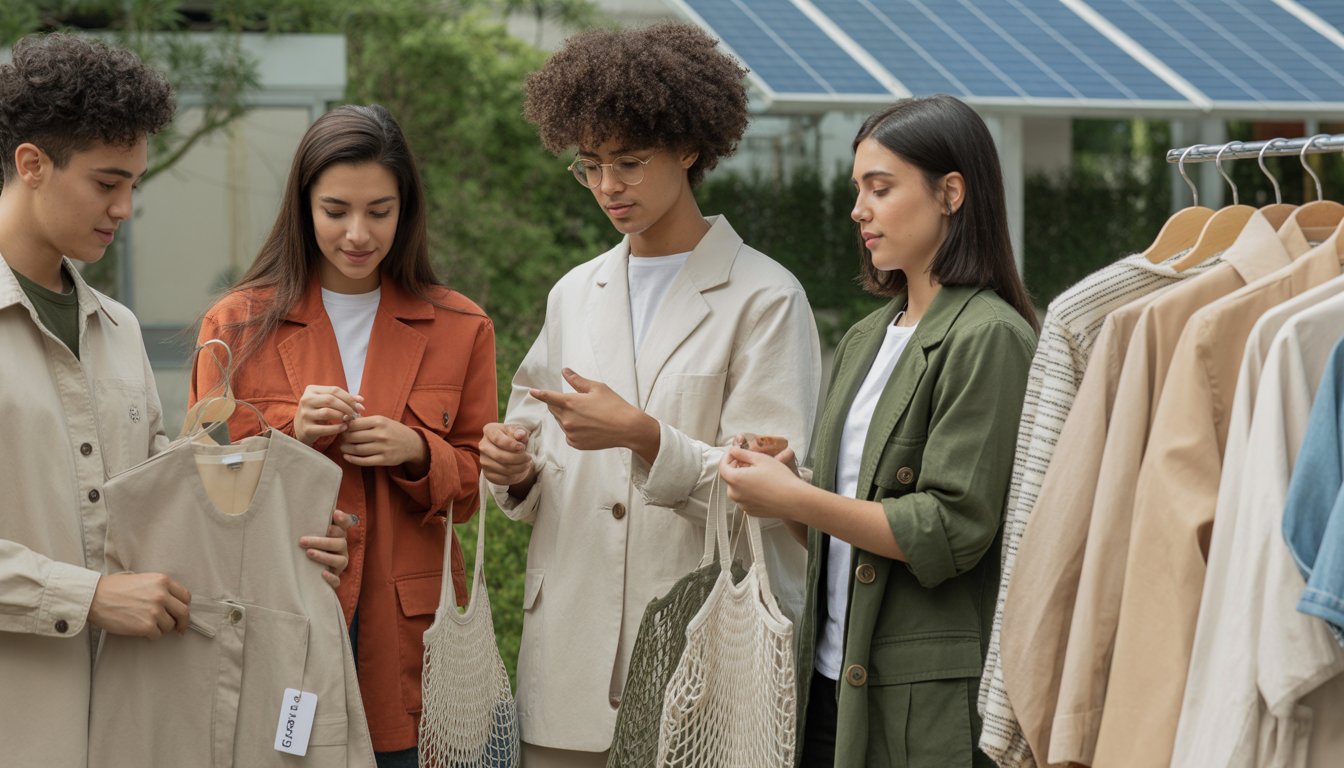
The fashion industry presents complex challenges that touch both our planet’s health and the dignity of the people involved. Issues range from pollution and resource depletion to labor rights and workplace conditions. Addressing these requires both environmental awareness and ethical commitment.
Environmental
Fashion is a major contributor to environmental degradation. It accounts for significant water consumption, energy use, and greenhouse gas emissions globally. Around 20% of wastewater worldwide is linked to textile dyeing and treatment.
Synthetic fibers like polyester dominate production, requiring fossil fuels and releasing microplastics into waterways. These microplastics accumulate in oceans, causing harm to marine ecosystems.
We must adopt materials that reduce carbon footprints, use water responsibly, and employ cleaner production techniques to mitigate these impacts. Sustainable practices include closed-loop manufacturing and renewable energy use in factories. More information can be found at the environmental impacts of fashion.
Social and ethics
The fashion supply chain often obscures worker conditions in developing countries. Many laborers face low wages, unsafe workplaces, and excessive hours. Child labor and forced labor remain persistent concerns in regions dependent on textile manufacturing.
Ethical sourcing means ensuring fair pay, safe environments, and respect for workers’ rights. Consumer demand for transparency is reshaping company policies and encouraging better labor standards.
Social responsibility also involves empowering communities through skill development and supporting indigenous textiles. Sustainable fashion integrates these labor ethics as a vital component, as explored at The Social Issues Facing the Fashion Industry.
The Environmental Cost of Fashion
Fashion’s environmental footprint extends beyond production. It includes waste generation, with millions of tons of clothes discarded annually, often ending in landfills or incineration.
Fast fashion accelerates this problem by promoting short-lived trends, increasing demand for cheap, disposable garments. This cycle strains natural resources and generates pollution at every stage—fiber production, manufacturing, distribution, and disposal.
Addressing this requires systemic change toward circular economy models, such as recycling, upcycling, and reusing textiles. Brands pioneering this shift contribute to reducing waste and conserving materials, as outlined in discussions about fast fashion’s impact.
Plastic in Textile
Plastic-based fibers like polyester, nylon, and acrylic make up a substantial portion of today’s textiles. These synthetic fibers, derived from petrochemicals, hold specific, durable qualities but cause significant pollution.
When washed, plastic textiles shed microfibers—tiny plastic particles that pollute oceans and enter the food chain. This plastic contamination is persistent and difficult to remove from environments.
Reducing plastic use involves developing bio-based or recycled alternatives and improving wastewater filtration technology. Consumers can also reduce microplastic pollution by choosing natural fibers and using special washing bags. More information is in the analysis of plastic in textiles.
The Fashion Industry Charter for Climate Action
The Fashion Industry Charter for Climate Action is a collaborative effort launched by the UN to reduce greenhouse gas emissions within the sector. It sets clear targets, such as achieving net-zero emissions by 2050 and a 30% reduction by 2030.
Signatory brands commit to improving supply chain transparency, using renewable energy, and innovating sustainable materials. The charter encourages partnerships, data sharing, and tracking progress rigorously.
This initiative reflects a growing acknowledgment of fashion’s role in climate change and the urgent need for industry-wide climate strategies, detailed at the Fashion Industry Charter for Climate Action.
Production and Business Models
Sustainable fashion relies on innovative approaches to creating, sharing, and selling clothing. Our goal is to reduce waste, extend product life, and minimize environmental footprint through smarter production techniques and alternative business models. Each method addresses different challenges in the industry, from resource use to consumer behavior.
Production models
In sustainable fashion, production models focus on reducing waste and environmental impact at every stage. On-demand production limits excess inventory by only creating items when orders are placed. This reduces overproduction, a major issue in traditional fashion.
We also see the rise of using organic, recycled, or upcycled materials in manufacturing. These materials require fewer resources and generate less pollution. Employing digital tools like 3D design helps optimize fabric use and cuts down on samples. These steps align production more closely with actual demand.
Circular models
Circular models emphasize keeping clothing in use for as long as possible. This includes designing for durability, repairability, and recyclability. Brands adopting circular principles aim to close the loop, turning used garments back into raw materials.
Important strategies include take-back programs, where companies collect and recycle old clothes. Circular design often involves modular elements that are easy to replace or upgrade. By shifting away from linear “make-use-dispose” systems, circular models reduce textile waste and encourage resource renewal.
Sharing models
Sharing models help maximize the use of individual garments by enabling multiple users to access the same item. Clothing rental platforms and subscription services allow consumers to wear high-quality pieces without owning them outright.
These models lower overall production needs by reducing demand for new products. They also offer access to variety and style flexibility with less environmental cost. Peer-to-peer sharing further expands access and reduces waste by keeping clothing active.
Resale models
Resale models capitalize on the secondhand market, extending garment lifespans through buying and selling pre-owned clothes. Online marketplaces and curated vintage stores make it easier for consumers to participate.
The resale approach reduces demand for newly manufactured garments by circulating existing inventory. It also supports ethical consumption by promoting reuse. Authenticity verification and quality control are critical to maintaining trust and value in resale.
Business models
Sustainable fashion business models integrate ethical practices while striving for profitability. Examples include cooperatives and social enterprises, which prioritize fairness and community benefit alongside environmental goals.
Made-to-order and small batch production minimize waste while balancing supply and demand. Transparency in supply chains builds consumer trust. By innovating in both production and sales, these models challenge traditional fast fashion’s unsustainable patterns, paving the way for responsible growth.
We can explore these models as pathways to a more sustainable industry. More details are available on how these models function in practice at 7 Sustainable Fashion Business Models To Explore.
Materials and Processes
We focus on selecting materials and production methods that reduce environmental harm while maintaining quality and durability. This means prioritizing renewable, recyclable, and biodegradable options and adopting manufacturing techniques that lower waste and energy use.
Cellulose fibers
Cellulose fibers come from plant-based sources like cotton, bamboo, and hemp. These fibers are biodegradable and renewable, making them vital for sustainable fashion. Organic cotton is especially important because it avoids harmful pesticides and reduces water consumption.
Innovations include using agricultural waste such as pineapple leaves and banana stems to create fibers like piña and banana fabric, which reuse materials that would otherwise be discarded. These fibers have similar qualities to traditional cotton but with a lower environmental footprint.
We also consider how fibers are processed; mechanical and closed-loop chemical processes reduce water pollution. Choosing cellulose fibers supports circular design and limits reliance on synthetic materials derived from fossil fuels.
Protein fibers
Protein fibers come from animals, such as wool, silk, and alpaca. These materials are natural and biodegradable. The challenge lies in sourcing them ethically to prevent animal cruelty and overgrazing, which can damage ecosystems.
We prioritize wool certified by responsible programs that ensure humane treatment and sustainable land management. Innovations in non-mulberry silk and tension-free silk production reduce chemical use and water waste.
Protein fibers tend to have good insulation and durability. We embrace them when sourced with transparency and care, fitting them into circular models through recycling or biodegradability at end of life.
Manufactured fibers
Manufactured fibers include semi-synthetics like lyocell and fully synthetic fibers such as recycled polyester. Lyocell is made from cellulose but processed in a closed-loop system that recovers chemicals, reducing pollution.
Recycled polyester often comes from post-consumer plastic bottles, reducing waste and fossil fuel reliance. However, microfiber pollution remains a concern, so we support innovations to capture and filter these fibers during washing.
Manufactured fibers strike a balance between performance and sustainability when produced responsibly. They enable durability and versatility in design but must be carefully selected to minimize environmental impact.
Fungal species
Fungal species are an emerging source of sustainable materials, using mycelium—the root structure of mushrooms—to create leather-like alternatives. This material is naturally biodegradable and requires fewer resources than animal leather.
Mycelium leather can be grown in controlled environments with minimal waste, offering a promising alternative for accessories and footwear. It is also customizable in texture and thickness, expanding design possibilities.
Using fungal species in fashion supports circularity by relying on fast-growing, renewable organisms. We see this as an innovative approach to reducing dependence on traditional leather and synthetic alternatives.
For more detail on sustainable material innovations, see sustainable fashion materials from recycled fabrics to organic textiles.
Consumption and Communication Strategies
In sustainable fashion, how we consume and communicate shapes industry impact. We must navigate challenges in marketing honesty, material sourcing, and the growing second-hand market to promote truly sustainable choices. Clear, accurate messaging helps avoid misinformation and supports informed decisions.
Marketing controversies
Marketing sustainable fashion often faces challenges with greenwashing—brands exaggerate or falsify sustainability claims. We need transparency to build consumer trust and avoid misleading information. This involves clear labeling, verified certifications, and avoiding vague terms like “eco-friendly” without evidence.
Brands sometimes prioritize profits over environmental impact, promoting overconsumption under the guise of sustainability. Reducing such contradictory messaging is crucial to encourage meaningful consumer behavior change.
Social media influencers and advertising must also align with sustainability goals. Our communication should focus on education rather than simply selling products, supporting responsible consumption patterns.
Materials controversies
Material sourcing is a major concern in sustainable fashion. While organic cotton and recycled fibers reduce environmental harm, some materials labeled sustainable still involve high water usage or chemical inputs. We must assess the full lifecycle impacts rather than relying on single attributes.
Innovative fabrics like regenerated nylon and bio-based materials offer promise but require transparent reporting on production energy, emissions, and waste.
Understanding these nuances helps us avoid superficial choices and supports brands committed to genuine environmental improvements throughout supply chains.
Second-hand controversies
The second-hand fashion market grows as a sustainability strategy, but not without challenges. While buying used reduces demand for new products, quality and safety concerns can limit accessibility for some consumers.
Additionally, some second-hand platforms encourage fast turnover or “thrifting” trends, which can replicate overconsumption patterns. We must promote thoughtful buying habits and prioritize longevity and repair.
Ensuring equitable access and clear communication about second-hand goods helps build trust and expands sustainable options across consumer groups.
For more on sustainability communication strategies, see this Sustainable Fashion Communication Playbook.
International Cooperation and Advocacy
We recognize that transforming the fashion industry requires coordinated efforts among governments, organizations, and industry leaders. Bringing diverse stakeholders together enables us to address environmental, social, and economic challenges more effectively. Our work focuses on creating clear policies, sharing knowledge, and fostering collaboration globally.
International Cooperation on Sustainable Fashion
International cooperation is essential because fashion supply chains span continents. We engage with global partners to harmonize standards and practices. This approach helps reduce environmental harm, improve labor conditions, and ensure transparency from production to retail.
We prioritize partnerships that reflect the complex realities of fashion’s impact. Pooling resources and expertise allows us to develop consistent sustainability policies. This cooperation strengthens enforcement and encourages innovation across the industry.
The Role in Geneva
Geneva serves as a central hub for sustainable fashion efforts due to the presence of key UN agencies and international organizations. We leverage this strategic location to convene stakeholders and facilitate high-level dialogues.
This role enables us to promote policy alignment and initiate global projects more efficiently. Geneva acts as a platform for transparency initiatives, such as traceability standards, that address informal work and complex value chains.
Fashion and Sustainable Development
Fashion’s influence extends beyond the environment into social and economic development. We align our initiatives with the Sustainable Development Goals (SDGs) to create measurable impacts.
Our work supports decent work conditions, gender equality, and responsible consumption. By linking fashion with SDGs, we ensure that sustainability goals are integral to industry transformation and not isolated objectives.
Objectives of the Alliance
The Alliance aims to unify UN bodies and allied organizations around common priorities. These include promoting coordinated action, supporting sustainable policies, and scaling initiatives that foster circularity and ethical practices.
We focus on measurable outcomes such as reducing CO2 emissions, enhancing resource efficiency, and improving supply chain transparency. Our objectives also emphasize capacity building at national and local levels.
Promoting Active Collaboration
Successful change requires active collaboration among governments, private sector, and civil society. We encourage joint projects, shared funding, and integrated reporting to maintain accountability.
This collaboration builds trust and drives innovation. It also helps avoid duplication of efforts and leverages the strengths of each partner to accelerate progress within the fashion sector.
Knowledge Sharing
Sharing knowledge is critical to overcoming challenges in sustainable fashion. We facilitate platforms where stakeholders exchange best practices, data, and research insights.
These activities enhance understanding of sustainability impacts and solutions. Regular knowledge sharing helps align actions and informs policy development, ensuring that initiatives are evidence-based and adaptive.
Strengthening Synergies
We actively work to strengthen synergies among existing initiatives. By aligning priorities and timelines, we maximize impact and resource use.
Synergies create opportunities for joint monitoring and evaluation. Coordinated approaches enhance reach and influence across regions and subsectors within the fashion industry.
Outreach and Advocacy
Effective outreach and advocacy mobilize industry players and consumers to support sustainability commitments. We develop communication strategies that clarify sustainability goals and practices.
These efforts include engaging influencers, media, and local communities to raise awareness. Advocacy also targets policymakers to embed sustainable fashion principles in regulations and trade agreements.
For more on coordinated action and policy development in sustainable fashion, see the UN Alliance for Sustainable Fashion.
How to Act and Plan
We need clear steps to reduce our fashion footprint and create a wardrobe that supports sustainability. Simple changes in how we buy, use, and care for clothing can make a measurable difference.
What Can I Do?
The most powerful action is to buy less and choose better. Focusing on durable, timeless pieces rather than fast fashion lowers waste and resource use. Prioritize materials like organic cotton, recycled fibers, or Tencel, which have a smaller environmental impact.
Secondhand shopping is another key step. It extends the life of garments and keeps textiles out of landfills. Repairing damaged clothes rather than discarding them also reduces demand for new items.
We can also support brands committed to ethical labor and transparent supply chains. These choices help improve conditions for workers and reduce environmental harm.
What you can do
We can adopt straightforward habits: plan our purchases, avoid impulse buys, and maintain clothes well. Washing clothes less frequently and in cold water conserves energy and water.
Organizing clothing swaps or donating unwanted items promotes circular use. Learning to repair clothes or tailoring for a better fit reduces the need to replace items.
Tracking our wardrobe helps us understand what we own and prevents overbuying. Digital apps or simple lists can assist with this.
My planet, my closet
Our closets hold a direct impact on the planet’s health. Manufacturing one kilogram of cotton fabric generates approximately 23 kilograms of CO2 emissions. Choosing eco-friendly fabrics and reducing clothing turnover lowers this footprint significantly.
We must also consider the end of a garment’s life. Recycling textiles or donating rather than sending clothes to landfill helps conserve resources.
Every shopping decision affects water use, pollution, and carbon emissions. Being mindful of these choices helps us align our consumption with environmental values.
How we can help you become more sustainable
We provide tools and advice on evaluating your current wardrobe’s impact. Our resources include guides on identifying sustainable brands and tips for conscious shopping.
We also offer repair and upcycling workshops. These teach practical skills to extend the life of garments and reduce waste.
Through community programs, we encourage sharing and swapping clothes to close the loop on fashion waste.
Toolkit
- Checklist for sustainable shopping: Focus on fabric type, brand ethics, and product longevity.
- Repair kit essentials: Needles, thread matching common fabrics, fabric glue.
- Wardrobe inventory template: Helps track existing items and identify gaps to avoid unnecessary purchases.
- Resource list: Links to credible sustainable brands and resale platforms.
- Care guide: Instructions for washing and storing clothes to maximize lifespan.
Using these tools, we can build habits that support a more responsible and conscious approach to fashion.
For more details on practical steps and strategies, see the comprehensive 15 Easy Ways to Adopt Sustainable Fashion and Reduce Your Carbon Footprint guide.
Controversies and Challenges
Sustainable fashion faces several complex issues that impact how brands operate and how consumers perceive them. These challenges span marketing practices, material sourcing, and the growing use of second-hand clothing, each presenting unique concerns and debates.
Marketing controversies
Many brands engage in greenwashing, where they exaggerate or falsely claim sustainability efforts to appeal to eco-conscious consumers. This misleads buyers and undermines genuine initiatives.
We also see inconsistent terminology, with terms like “eco-friendly” or “sustainable” lacking standardized definitions. This causes confusion and skepticism among consumers.
Transparency is limited in many supply chains, making it difficult to verify claims about ethical practices or environmental impact. Brands face pressure to provide clearer evidence.
Increased regulation and consumer demand are pushing companies toward better accountability, but enforcement remains uneven, allowing some to exploit sustainability as just a marketing tactic.
Materials controversies
Sourcing truly sustainable materials remains a challenge. For example, organic cotton uses less water and fewer chemicals but costs more and has limited global supply.
Recycled fabrics help reduce waste but often require significant energy and chemicals in processing, which complicates their environmental benefits.
Synthetic fibers like polyester may be durable but contribute to microplastic pollution when washed. Natural fibers have issues related to land use and pesticides.
Balancing cost, availability, and environmental impact is difficult. Brands must decide whether to opt for higher cost alternatives that may limit variety and accessibility for consumers.
Second-hand controversies
The rise of second-hand fashion is often seen as a positive step toward sustainability. However, it introduces new concerns including quality control and hygiene.
Some consumers worry about the longevity and safety of used clothes, which can affect their acceptance and market growth.
Second-hand markets can also undermine new garment sales, complicating business models for brands trying to balance profit and sustainability.
Additionally, fast fashion’s cheap prices make second-hand competition tough. Slow production rates in sustainable fashion limit stock and choice for resale.
Despite these issues, second-hand clothing remains a critical area for growth with proper education and infrastructure improvements.
For further insight, see the discussion on challenges in sustainable fashion marketing and materials at Oracle’s site or dive into more about second-hand controversies in circular fashion at Springer.
About The Author

